
Hot Bat Sports vs The Bat Cozy
Last Updated: October 25, 2026
Quick Summary
Hot Bat Sports vs The Bat Cozy compares active heating systems to passive insulation covers for maintaining bat performance in cold weather. Hot Bat Sports offers USB-powered heating with three adjustable settings and costs $129.99-$149.99, while The Bat Cozy uses passive insulation at $40-$60 and only traps existing warmth for 30-45 minutes between swings.
- HeatStik active heating maintains consistent barrel temperature for hours on a single 30,000mAh power bank charge
- The Bat Cozy passive insulation is lightweight, requires no charging, and costs $70-$100 less than active systems
- HeatStik features triple-layer construction with water-resistant 3mm neoprene outer layer for durability
- Active heating wins for tournament play and early-season games; passive covers work well for casual practice
- HeatStik sleeve-only options cost $74.99 if you already own a compatible USB power bank
Table of Contents
- Heated Bat Sleeve Comparison: What Sets Them Apart
- Cold-Weather Baseball Bat Performance: How Active Heating Works
- How to Keep a Softball Bat Warm During Games and Practice
- Bat Warmer Safety and Use: What You Need to Know
- Feature-by-Feature Breakdown: Heating Power, Portability, and Durability
- Which Option Wins for Your Playing Style and Budget
- Getting Started with Your Heated Bat Sleeve
- Frequently Asked Questions
Heated Bat Sleeve Comparison: What Sets Them Apart
When you're stepping up to the plate in cold weather, the difference between a responsive bat and a dead one can cost you the game. Active heating systems like HeatStik and passive insulated covers solve the same problem in fundamentally different ways. Learn how heated bat sleeves compare to insulated covers to understand the key differences between these two approaches. Understanding which approach fits your playing style, budget, and tournament schedule is what separates smart equipment choices from expensive mistakes.
At Heatstik, we've engineered our heated bat sleeves specifically for players who refuse to let temperature dictate their performance. The core distinction comes down to one thing: active temperature maintenance versus passive insulation. One keeps your bat warm through consistent USB-powered heating. The other relies on trapping existing warmth. For competitive players in cold climates, that difference translates directly to bat responsiveness and consistency between swings.
| Feature | Active Heating (HeatStik) | Passive Insulation (Bat Cozy) | Winner for Cold Weather |
|---|---|---|---|
| Temperature Maintenance | 3 adjustable heat settings | Traps ambient warmth only | Active heating |
| Power Source | 30,000mAh USB-A power bank | None required | Depends on use case |
| Portability | Compact, includes power bank | Lightweight, no charging | Passive insulation |
| Heat Duration | Hours of consistent warmth | 30-45 minutes between swings | Active heating |
| Cost | $129.99-$149.99 | Typically $40-$60 | Passive insulation |
| Best For | Tournament play, early-season games | Practice, casual games | Different priorities |
The real question isn't which is "better" in absolute terms. It's which matches your situation. If you're playing a tournament in March with three games across a cold day, active heating wins. If you're taking practice swings between innings on a chilly evening, a passive cover handles the job at half the price.
Cold-Weather Baseball Bat Performance: How Active Heating Works
Cold weather degrades bat performance in measurable ways. Composite and alloy materials lose responsiveness when temperatures drop. Your sweet spot shrinks. Exit velocity drops. The barrel feels less lively at contact. This isn't theory, it's material science.
Active heating addresses this directly. By maintaining the barrel at an optimal temperature, a heated bat sleeve keeps the material in its responsive range throughout your entire game or practice session. The HeatStik system uses a built-in cloth heating pad with three adjustable temperature settings, powered by a 30,000mAh fast-charging power bank.
The triple-layer design matters here. The inner lightweight polyester fabric fits smoothly. The middle layer contains the actual heating element. The outer 3mm neoprene layer is water-resistant and insulated, which locks in heat and protects the system from rain, dew, and dirt.
Passive covers work on a different principle. They trap whatever warmth your bat already has, slowing the rate at which it cools between swings. In a warm dugout or car, this works well. In open-air cold, the effect diminishes quickly. Your bat still cools down; the cover just slows the process.
For early-season tournaments and cold-night games, research on composite bat performance in varying temperatures confirms that maintaining consistent barrel temperature directly improves contact quality and consistency. Active heating eliminates the performance dip entirely.
How to Keep a Softball Bat Warm During Games and Practice
The strategy shifts depending on whether you're in a controlled environment or moving between locations. During a tournament, your bat spends time in the car, in the dugout, and in your hands between innings. Each transition cools it down.
With active heating, you manage temperature proactively. Charge your power bank the night before. Bring the HeatStik sleeve in your equipment bag.
For practice sessions, the approach depends on duration. A 90-minute practice in cold weather benefits from active heating if you're working on hitting mechanics and want consistent bat response across all your swings. A casual practice where you're mainly taking a few swings between drills might not justify the setup.
The portability factor matters more than people expect. You're already carrying a bat bag, helmet, gloves, and catching gear. The HeatStik system is compact, the sleeve itself is lightweight, and the power bank is roughly the size of a phone. It fits easily into any equipment bag.
Watch out: if you're moving between indoor practice facilities and outdoor cold games, your bat will cool down during transitions no matter what system you use. Active heating minimizes the performance loss, but it doesn't eliminate it entirely. Plan your warm-up swings accordingly.
Bat Warmer Safety and Use: What You Need to Know
The HeatStik system is designed with safety built in. The 3mm neoprene outer layer is water-resistant, so moisture from rain, dew, or sweat won't damage the heating element. The USB-A connection is insulated and runs through the layers, keeping it away from direct contact with skin or sweat.
Temperature settings are adjustable across three levels, which means you can dial in warmth without overheating the bat or creating a fire hazard. The power bank itself is a standard 30,000mAh USB-A unit, the same type used for charging phones and tablets. It's a proven technology with built-in safety cutoffs.
For safe use of portable power banks and heating devices, follow basic practices: don't leave the system powered on unattended for extended periods, ensure the neoprene outer layer stays dry, and store the power bank in a cool place when not in use. These are standard precautions for any USB-powered device.
Passive bat cozies have virtually no safety concerns, they're just insulation. No power, no heating element, no battery. If safety is your primary concern, passive covers eliminate the variable entirely. For competitive players willing to manage a powered device, the HeatStik system is engineered to be safe and reliable.
HeatStik Softball Heated Bat Warmer →
You can find additional answers to common questions about heated bat warmer safety and proper use on our FAQ page.
Feature-by-Feature Breakdown: Heating Power, Portability, and Durability
Heating power is where active and passive systems diverge most sharply. The HeatStik system delivers consistent, adjustable warmth across three settings. A passive bat cozy delivers zero active heat, it only slows cooling.
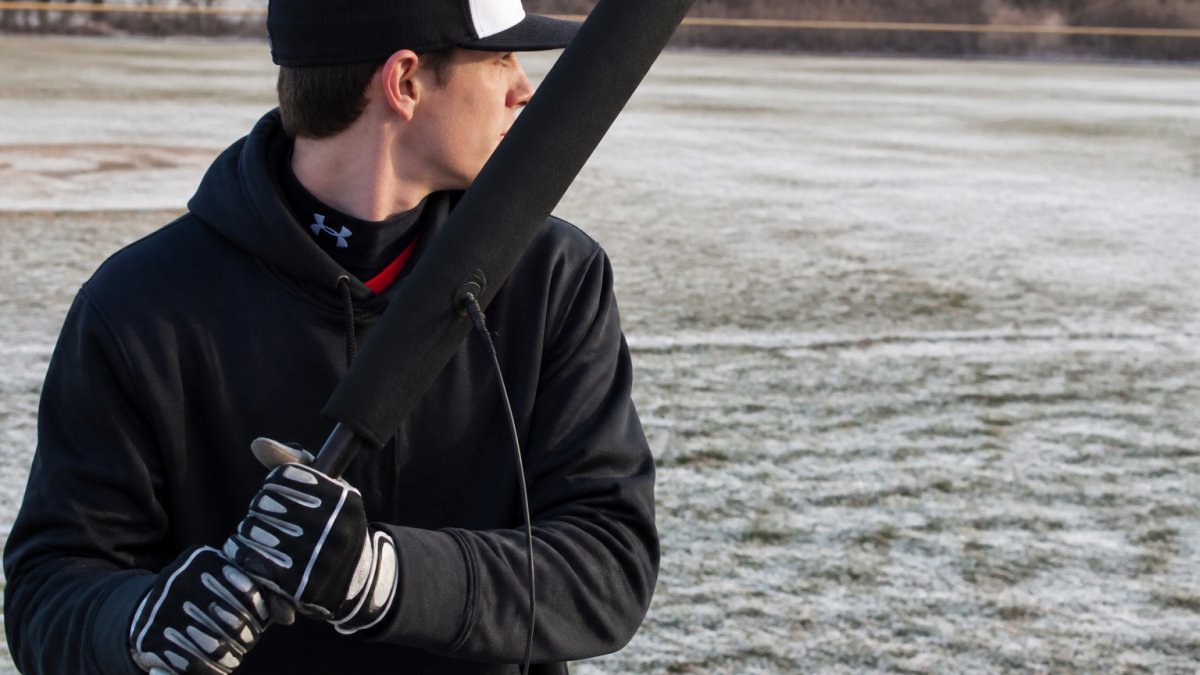
Portability depends on what you're optimizing for. The HeatStik system includes a power bank, which adds weight and requires charging. For players who drive to tournaments or practice and have access to a car or dugout to store gear, this is a minor inconvenience.
Durability favors active heating systems when used correctly. The HeatStik triple-layer construction, polyester inner, heating pad middle, 3mm neoprene outer, is built to withstand repeated use, moisture, and temperature cycling. The neoprene is specifically chosen for water resistance and durability.
Battery life on the HeatStik power bank is substantial. A 30,000mAh capacity provides hours of heating on a single charge, depending on which of the three temperature settings you use. For a full tournament day, you likely won't need to recharge mid-event.
The HeatStik system fits bats up to 2¼ inches for softball models and up to 3 inches for the Apex hardball model. This covers most composite and alloy bats on the market. Passive cozies typically have a similar range, though specific sizing varies by brand.
Which Option Wins for Your Playing Style and Budget
Pick the HeatStik active heating system if you're playing competitive baseball or softball in cold weather and you want consistent bat performance throughout the game. The HeatStik Softball Heated Bat Warmer at $129.99 or the Apex Hardball Heated Bat Warmer at $149.99 represent the investment in performance consistency that competitive players make.
Pick a passive bat cozy if you're playing casual games, practicing in controlled environments, or on a tight budget. The insulation approach works well for short practice sessions and situations where your bat doesn't spend extended time in the cold. You'll save $70-$100 compared to active heating.
Consider the sleeve-only options if you already have a compatible USB power bank at home. The HeatStik Softball Heated Bat Warmer (Sleeve Only) and HeatStik Fastpitch Heated Bat Warmer (Sleeve Only) both cost $74.99, which bridges the gap between full systems and passive covers. You just need your own USB-A power bank.
The real decision comes down to three questions: Are you playing in genuinely cold conditions? Do you need consistent bat performance across multiple games or a long practice session? Can you manage charging a power bank? If you answered yes to all three, active heating pays for itself in the first tournament season through improved contact quality and consistency.
Getting Started with Your Heated Bat Sleeve
Charge your power bank the night before your first use. Bring the HeatStik sleeve and power bank in your equipment bag alongside your bat. At the field or practice facility, slip the sleeve onto your bat barrel. Connect the USB cable to the power bank. Select your preferred temperature setting on the heating pad. You're ready to go.
Between swings or between innings, keep the sleeve on your bat and leave the heating system running. The insulation locks in the warmth, and the heating element maintains consistent temperature. If you're moving from the dugout to the batter's box, the bat stays warm. If you're sitting on the bench for a few innings, the system keeps the barrel responsive for when you step up to the plate.
After the game or practice, disconnect the power bank and let the sleeve cool naturally. The neoprene outer layer is durable enough for regular use, but avoid leaving the system powered on when your bat isn't in use. Store the power bank in a cool place and recharge it when you get home.
Frequently Asked Questions
What is the difference between a heated bat sleeve and a passive bat cozy?
A heated bat sleeve uses active heating technology (USB-powered in most cases) to maintain or raise bat temperature, keeping the barrel responsive in cold conditions. A passive bat cozy relies on insulation alone to retain existing warmth. Heated sleeves deliver consistent performance in freezing temperatures, while passive covers work best for short intervals or mild cold. For competitive play in early-season or late-fall tournaments, active heating maintains exit velocity more reliably.
Does warming a baseball or softball bat actually improve performance in cold weather?
Yes. Cold temperatures reduce composite and alloy bat responsiveness because the materials become stiffer, reducing the trampoline effect at contact. A warmed bat maintains closer to room-temperature performance characteristics, preserving exit velocity and sweet spot consistency. Players report more reliable contact and confidence stepping into the box, particularly in temperatures below 10°C where the effect is most pronounced.
How long does a heated bat sleeve stay warm between at-bats?
Most USB-powered heated sleeves maintain effective warmth for 2-4 hours of continuous use, depending on temperature setting and ambient conditions. Between at-bats, the insulated design slows heat loss significantly. If you're playing a full tournament day, you may need to recharge the power bank or use a second charged unit. Passive cozies retain warmth for shorter intervals (30-60 minutes) once removed from active heating.
Can a bat warmer damage a composite or alloy bat?
No, when used correctly. Gentle, controlled heating (like the 3 adjustable temperature settings on quality heated sleeves) does not harm modern composite or alloy construction. The heat is applied externally through insulated layers and poses no risk of delamination or structural damage. Avoid direct flame or extreme heat sources, but USB-powered sleeves operate safely within manufacturer specifications for all bat types.
Are heated bat sleeves allowed in official games and tournaments?
Rules vary by league and governing body. Most youth and collegiate baseball/softball organizations permit bat warmers in warm-up areas and on the bench, but require bats to be removed before entering the batter's box. Check your specific league's equipment rules before purchasing. For practice, training, and non-sanctioned tournaments, heated sleeves are universally accepted.
Stepping into the batter's box with a cold bat is a disadvantage you can eliminate. HeatStik's USB-powered heated bat sleeve maintains your barrel at peak responsiveness throughout games and practice sessions in cold weather. The triple-layer construction keeps heat locked in, the 30,000mAh power bank runs for hours, and the system fits easily into your existing equipment routine. Get started with the HeatStik system and swing with confidence regardless of the temperature.
