
9 Cold Weather Softball Tournament Tips That Keep Players Ready
Last Updated: October 28, 2026
Quick Summary
Cold weather softball tournaments require layered clothing, a packed bag with spare gloves and dry socks, a gradual warm-up that protects the arm, and a routine for staying warm between games. Cold saps grip, timing and reaction speed, and those losses add up over a full day. Good preparation keeps players ready from the first pitch to the last.
- Pack one bag per player with a spare glove, dry socks, and a microfiber towel.
- Wear thin moisture-wicking base layers and avoid cotton, which holds moisture against the skin.
- Begin warm-ups with light movement and increase throwing distance gradually over 10 to 15 minutes.
- Change damp layers immediately after each game and put the outer shell back on before the body cools.
- Move every 20 to 30 minutes and drink warm fluids, since cold suppresses thirst.
Table of Contents
- Why Cold Weather Hurts Tournament Performance
- Softball Tournament Packing List for Cold Days
- Layering Clothing Without Losing Mobility
- Cold Weather Softball Warm-Up Routine That Protects Your Arm
- How to Stay Warm Between Softball Games
- Softball Batting in Cold Weather: Keeping Your Bat Responsive
- Building Your Cold Tournament Plan for Next Weekend
- Frequently Asked Questions
Why Cold Weather Hurts Tournament Performance
Cold weather softball tournaments punish players in ways that daytime heat never does. Muscles stiffen, reaction times slow, and a bat that feels lively in May can feel dead by the third inning of a chilly Saturday. Heatstik’s heated bat sleeve is designed for cold-weather performance.
Cold affects more than comfort. Players who are shivering or wearing stiff gloves lose the feel that drives timing and contact. Pitchers lose grip. Infielders take longer to get their hands ready for a short hop. Over a full tournament day, those small losses add up.
The biggest mistake teams make is treating cold as a one-time problem. It is not. Each game, each rain delay, and each wait in the dugout drains warmth a little more. A plan that works for the first game often falls apart by the fourth.
Softball Tournament Packing List for Cold Days
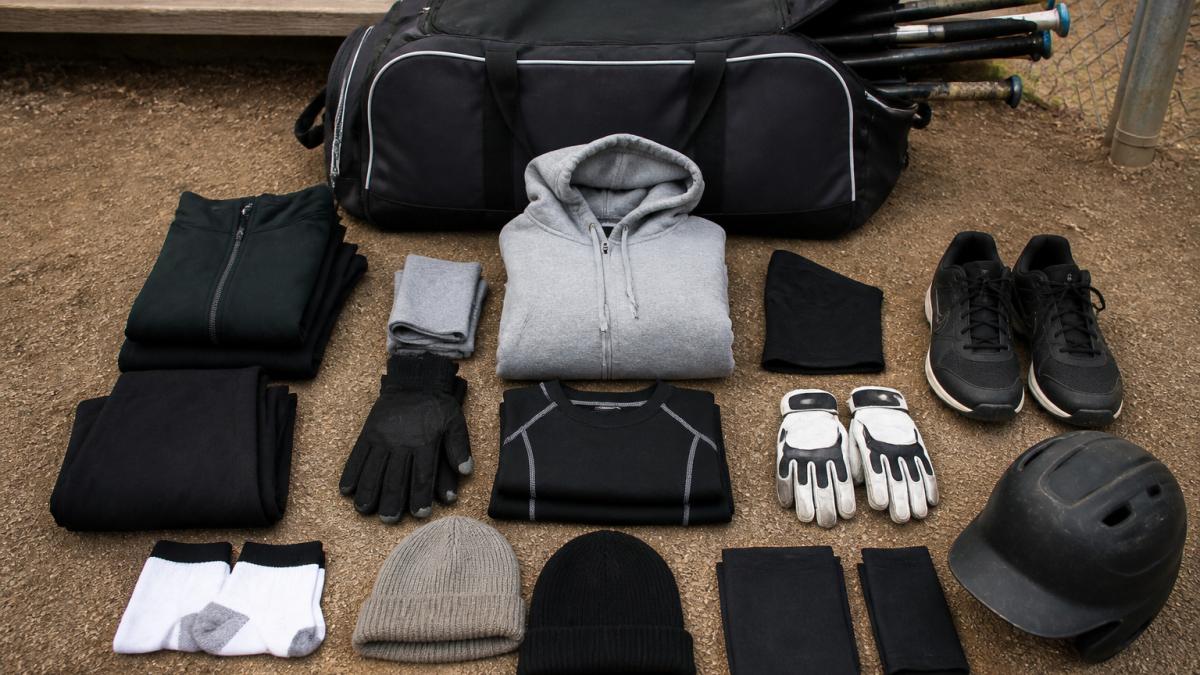
A cold tournament day is long, and players spend far more time waiting than swinging. Packing for that wait matters as much as packing the bats. Most generic lists stop at "bring layers and hand warmers." A softball-specific checklist goes further, because the gear that fails in the cold is not just clothing, it is the glove, the cleats, the uniform, and the small items that keep a player functional between innings.
Player bag checklist
- Uniform and base layers: game jersey and pants, plus one thin moisture-wicking base layer top and bottom. Pack a second base layer top for the afternoon game, since the first one will be damp from sweat.
- Mid layer: a fleece or lightweight insulated pullover that fits under the jersey without binding at the shoulders.
- Outer shell: a waterproof, windproof jacket with a full-length zipper so it can come off in seconds before an at-bat. A poncho is a poor substitute because it flaps and restricts the swing.
- Head and hands: a warm beanie that fits under a cap or helmet, a neck gaiter, and two pairs of gloves, thin batting or golf gloves for grip and insulated gloves for the dugout.
- Feet: wool or synthetic socks (not cotton), a spare dry pair sealed in a plastic bag, and cleats that have been checked for mud buildup. Cold turf and damp grass make traction worse, not better.
- Fielding glove: a spare glove or a glove wrap, plus a microfiber towel to wipe moisture off the leather. A wet glove stiffens and loses feel.
- Small items: hand warmers, a lip balm, a small towel, a USB power bank, and a dry bag for wet clothing.
Team and dugout supplies
- A pop-up windbreak or tarp to block wind on the bench side.
- A cooler for drinks and a separate insulated bag for food, so wet gear and food do not share space.
- A battery-powered or USB hand warmer station, plus spare batteries or a charged power bank.
- A first-aid kit that includes instant cold packs and blister care, since cold feet and damp socks cause friction injuries.
- A small bin or mesh bag for wet towels and discarded hand warmers so the dugout does not turn into a puddle.
What to leave at home
Cotton hoodies, denim, and any outer layer that does not block wind are worse than useless once they get damp. They hold moisture against the skin and pull heat away. The same goes for a single heavy jacket that is too bulky to swing in, it will end up on the bench, and the player will be cold anyway.
Layering Clothing Without Losing Mobility
Layering works best when each piece has one job. A thin moisture-wicking base layer keeps sweat off the skin, a mid layer holds heat, and a windproof shell blocks wind and light rain. The goal is warmth you can still swing through.
Bulk is the enemy. A heavy hoodie under a jacket restricts the shoulders and makes a player slower to get the bat through the zone. Thin, stretchy layers that stay close to the body give warmth without sacrificing range of motion.
Keep the outer layer easy to remove. Players who are warming up need to strip a layer quickly before stepping into the box, then put it back on in the dugout. A jacket that zips or unzips fast and sits loose at the shoulders makes that routine simple.
Cold Weather Softball Warm-Up Routine That Protects Your Arm
The warm-up should start slow and build. Begin with light jogging or dynamic movement to raise core temperature, then move into arm circles, band work, and easy long toss. Increase distance and effort gradually over 10 to 15 minutes.
HeatStik Softball Heated Bat Warmer →
Skip the instinct to throw hard immediately.
Keep the bat warm during this routine too. Slide a heated bat sleeve on between warm-up swings and take it off only when stepping into the box. That way the barrel is ready when the game starts, not after three cold swings.
How to Stay Warm Between Softball Games
The gap between games is where most players lose their warmth. Treat the between-game window as a routine with a timeline, not as downtime.
The first 10 minutes after the final out
- Change out of damp layers immediately. Sweat keeps cooling on the skin, so swap the base layer and socks before sitting down. A dry layer put on 20 minutes later does less good than one put on right away.
- Put the outer shell back on before the body cools.
- Wipe down the fielding glove and store it somewhere dry, not on the damp ground.
The middle of the wait
- Move every 20 to 30 minutes. A short walk, a few bodyweight squats, or arm circles keeps blood moving without burning energy. Sitting still for an hour is the fastest way to stiffen up.
- Eat and drink on a schedule, not on thirst. Cold suppresses thirst, so players drink less than they need. Warm fluids, broth, tea, or warm water with lemon, are easier to take in when it is cold. Pair them with a snack that has both protein and carbohydrates.
- Keep hands and head covered. Those are the two areas where heat loss is most noticeable and easiest to fix.
- Power the heated bat sleeve between games so the barrel is ready for the next at-bat.
The last 20 minutes before the next game
- Start the warm-up early enough that the arm is ready for the first pitch, not the third. A progressive throwing routine takes 10 to 15 minutes, so begin it with time to spare.
- Strip the outer layer just before stepping into the box, not at the start of warm-ups.
- Take a few dry swings with the bat in its sleeve, then remove the sleeve only when stepping in.
A simple timeline to share with parents
| Window | Action |
|---|---|
| 0-10 min after game | Change damp layers, dry glove, shell on |
| 10-60 min | Move every 20-30 min, warm fluids, snack, charge sleeve |
| 20 min before next game | Begin progressive throwing warm-up |
| 5 min before at-bat | Remove shell, dry swings with sleeve on, sleeve off at the box |
A written timeline shared with players and parents removes guesswork and keeps the whole team on the same routine.
Softball Batting in Cold Weather: Keeping Your Bat Responsive
Heatstik is designed to gently warm composite and alloy bat barrels in cold weather.
Building Your Cold Tournament Plan for Next Weekend
Start with the forecast. Note the expected low, the wind, and the chance of rain, then adjust the packing list to match. Assign one person to check the bags before the team leaves.
Next, plan the timing. Know the game schedule, the expected wait between games, and where the team will warm up. A written plan shared with players and parents removes guesswork.
Frequently Asked Questions
What should softball players wear for a cold-weather tournament?
Start with a moisture-wicking base layer, add a fleece or thermal mid-layer, and finish with a windproof, waterproof outer shell you can remove between games. Keep cotton out of the base layer, since damp cotton chills players fast. Pack a spare dry shirt and socks so players can change if they get wet from rain or sweat. Dress so you can throw and swing freely; bulky layers under the sleeves can reduce arm movement. Thin, insulated gloves or liners help hands stay warm while keeping grip and feel.
How do you keep your hands warm between softball games?
Keep hands in gloves or mitts when not on the field, and use a pocket hand warmer inside a glove or jacket pocket. Wear thin liner gloves under batting gloves if your team allows it. Between innings, tuck hands under armpits or in a jacket for a few seconds to recover warmth. For bats, HeatStik is a heated bat sleeve designed for cold-weather use.
What should parents pack for a cold softball tournament?
Pack a dry change of clothes for each player, extra socks, a warm hat, gloves, and a waterproof jacket or poncho. Add a folding chair or blanket for the dugout or bleachers, a thermos of warm drinks, and hot water for food. Include electrolyte drinks and snacks because players burn energy even in the cold. Keep a power bank charged for phones and any heated bat gear. Label the bag so the team can find everything quickly between games.
Is it safe to play softball in freezing temperatures?
Play can be safe in cold temperatures if players stay dressed in warm, dry layers, warm up thoroughly, and stay hydrated. The main risks are cold-related injuries and reduced grip or reaction time when hands are numb. Watch for numbness, pale or waxy skin, shivering that will not stop, or confusion, and get the player inside and warm if they appear. Wet conditions combined with wind raise the risk, so monitor players closely and rotate them out if needed.
