
Bat Performance vs Confidence: Cold Weather Heating
Table of Contents
- How Cold Weather Affects Bat Performance and Hitter Confidence
- Composite Bat Performance in Cold Weather: The Physics Behind the Problem
- The Psychological Impact: Does Equipment Reliability Boost Hitter Confidence?
- How to Keep Baseball Bats Warm: Methods and Effectiveness
- Heated Bat Sleeves vs. Traditional Insulation: A Direct Comparison
- Measuring Real Impact: Exit Velocity, Sweet Spot, and Consistency
- Choosing the Right Solution for Your Team or Equipment
- Conclusion
- Frequently Asked Questions
Last Updated: September 27, 2026
How Cold Weather Affects Bat Performance and Hitter Confidence
Cold weather creates a compound problem for baseball and softball players, directly affecting bat performance cold weather conditions. When temperatures drop, composite and alloy bats lose responsiveness at the exact moment you need it most. The barrel becomes stiffer, the sweet spot shrinks, and energy transfer from bat to ball diminishes noticeably. This isn't theory, it's physics. At the same time, players know their equipment isn't performing as designed, which creates doubt in the batter's box. That mental edge matters as much as the physical one.
The real issue isn't choosing between bat performance and hitter confidence. They're linked. A player who trusts their equipment swings with conviction. A player worried their bat is "dead" becomes tentative, and tentative swings produce weak contact regardless of how good the equipment actually is. Understanding this relationship changes how you approach cold-weather performance.
Heatstik has engineered a solution specifically for this dual challenge. By maintaining consistent bat temperature, the product addresses both the physics problem and the psychological one simultaneously. Players step into the box knowing their bat is ready, which translates directly into more aggressive, confident swings.

Composite Bat Performance in Cold Weather: The Physics Behind the Problem
Composite bats rely on material elasticity to generate the trampoline effect, the barrel's ability to compress and rebound quickly during impact. Cold temperatures reduce this elasticity significantly. The resin matrix that binds composite fibers becomes less flexible, and the barrel's structural integrity changes in measurable ways.
The impact shows up in ball exit velocity first. When a composite bat is cold, the barrel doesn't compress and release as efficiently. Less energy transfers to the ball, which means lower exit velocity and shorter distances. Players notice this immediately, the ball doesn't jump off the bat the way it should. The sweet spot also becomes smaller and less forgiving. Hits that would normally land in the barrel's optimal zone now produce dead contact.
Alloy bats face a different but equally real problem. Metal contracts in cold, which changes the barrel's internal structure and how it responds to impact. The performance degradation is often less dramatic than with composites, but it's still measurable. Both bat types suffer from reduced performance when temperature drops.

This is where equipment reliability becomes a confidence issue. A player who knows their bat performs differently in cold weather begins to doubt whether they're making good contact or whether the equipment is failing them. That uncertainty translates into a more cautious approach at the plate, shorter swings, less aggression, and ultimately weaker contact.
The Psychological Impact: Does Equipment Reliability Boost Hitter Confidence?
Confidence in athletics isn't abstract. It's built on repeated successful experiences and trust in your tools. When a player steps into the batter's box with equipment they believe in, their biomechanics improve. They commit more fully to their swing. Their timing becomes more decisive.
Conversely, doubt creates mechanical breakdowns. A hitter who questions whether their bat will perform tends to shorten their swing, reduce their stride length, and swing more defensively. These adjustments happen unconsciously, but they're real and measurable. The player isn't making worse contact because they're less skilled, they're making worse contact because they're not swinging with full commitment.
Equipment that performs consistently removes this mental variable. When a player knows their bat is warm and responsive, they can focus entirely on pitch recognition and swing execution. That mental clarity translates into better plate discipline and more aggressive swings when appropriate. The psychological benefit isn't a placebo, it's a direct result of removing uncertainty from the equation.
Coaches and players who've worked through multiple cold-weather seasons understand this dynamic. The teams that perform best in early-season tournaments aren't always the most talented, they're often the ones with equipment they trust completely. That trust allows younger players to develop their swing mechanics without second-guessing whether the bat is the limiting factor.
How to Keep Baseball Bats Warm: Methods and Effectiveness
Several approaches exist for maintaining bat temperature during cold-weather play. Understanding the trade-offs between them helps you choose the right solution for your situation.
Passive insulation involves wrapping bats in towels, blankets, or basic insulated covers. This method slows heat loss but doesn't add warmth. If your bat starts cold, passive insulation alone won't bring it up to optimal temperature. It's a maintenance approach, not a correction approach. For players who keep bats in heated environments between games, passive insulation works adequately. For outdoor tournaments where bats sit in cold air for hours, passive insulation reaches its limits quickly.
Vehicle storage keeps bats warm between games by storing them in a heated car. This works well if you're moving between indoor and outdoor locations frequently. The challenge emerges during actual play. Once you take the bat out to hit, it begins cooling immediately. If you're playing in a tournament with long gaps between at-bats, your bat loses temperature during those waits.
Active heating systems add warmth directly to the bat barrel. These systems maintain temperature rather than just slowing heat loss. The most effective active heating solutions use USB-powered technology that delivers consistent, controlled warmth to the barrel. This approach keeps bats at optimal temperature throughout practice or games, regardless of how long you're between swings.
HeatStik Softball Heated Bat Warmer →
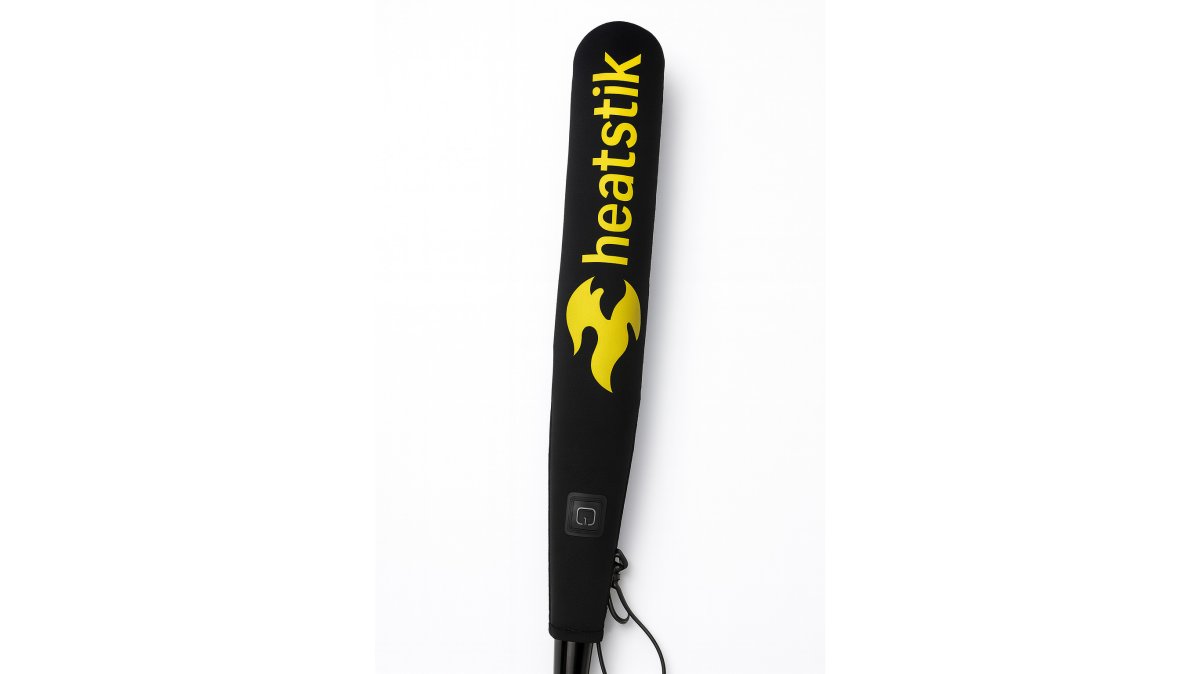
The effectiveness difference becomes obvious when you compare results. Passive insulation might keep a bat 5-10 degrees warmer than ambient temperature. Active heating systems maintain bats within a narrow, optimal temperature range regardless of external conditions. For serious players in competitive situations, active heating delivers measurably better performance consistency.
Heated Bat Sleeves vs. Traditional Insulation: A Direct Comparison
The comparison between heated bat sleeves and traditional insulation comes down to what you're trying to achieve. If your goal is simply to slow heat loss, traditional insulation works. If your goal is to maintain consistent bat performance throughout cold-weather play, heated sleeves deliver superior results.
| Feature | Traditional Insulation | Heated Bat Sleeves |
|---|---|---|
| Initial Cost | $15-30 | $75-150 |
| Maintenance | Minimal | Requires charging |
| Temperature Control | Passive (slows loss) | Active (maintains optimal) |
| Portability | Bulky wraps or covers | Compact, fits in equipment bag |
| Effectiveness | Moderate | High |
| Reusability | Multiple seasons | Multiple seasons |
| Best For | Budget-conscious, occasional play | Competitive teams, frequent cold games |
Traditional insulation relies on the bat starting warm. If your bat is already cold when you wrap it, insulation doesn't fix the problem, it just prevents further cooling. This matters for early-season tournaments where equipment has been sitting in cold storage overnight. By game time, your bat is already cold, and wrapping it in a towel won't bring it back to performance temperature.
Heated bat sleeves address this directly. They warm the barrel regardless of starting temperature. USB-powered systems like Heatstik provide adjustable heat settings, allowing you to dial in the right temperature for your equipment and conditions. The power bank included with most heated sleeves also charges mobile devices, adding practical value beyond just bat warming.
The portability difference is significant for travel teams. Traditional insulation requires wrapping and unwrapping bats multiple times during a tournament day. Heated sleeves slip on and off quickly.
Measuring Real Impact: Exit Velocity, Sweet Spot, and Consistency
The question every coach and parent asks is whether warming a bat actually produces measurable performance improvements. The answer is yes, and the metrics are straightforward to track.
Choosing the Right Solution for Your Team or Equipment
Your decision depends on three factors: how frequently you play in cold weather, your equipment investment level, and whether you prioritize consistency or cost savings.
Conclusion
Cold weather creates a real performance problem, but it's one you can solve. The relationship between bat temperature and hitter confidence isn't coincidental, warming your bat improves both the physics of contact and the mental state of the player holding it. Teams that understand this advantage gain a measurable edge during early-season play when conditions are coldest.
Physics of baseball bat performance studies
Research on equipment confidence in athletic performance
Material properties of composite sports equipment in temperature variations
Frequently Asked Questions
What temperature is too cold for composite bat performance?
Composite bats lose responsiveness when barrel temperature drops below 10°C. At this threshold, the material becomes stiffer, reducing the trampoline effect and lowering exit velocity. Cold temperatures increase material fatigue risk in composite construction, making consistent contact harder. Keeping bat temperature above 15°C maintains optimal elasticity and sweet spot feedback, which is why heated bat sleeves target maintaining that range during early-season and late-fall games.
Does a warm bat actually improve exit velocity and ball distance?
Yes. When composite bat barrels remain warm, they maintain higher elastic modulus, which improves energy transfer at impact. Studies of cold-weather batting show a 3-5% reduction in exit velocity when bats are cold versus warm. This translates to measurable distance loss on contact. The trampoline effect, the barrel's ability to compress and rebound, functions best at warmer temperatures, directly affecting both ball exit velocity and hitting consistency.
How does hitter confidence connect to equipment reliability in cold climates?
Confidence is tied to predictability. When players know their bat will perform consistently, maintaining sweet spot responsiveness and feedback vibration, they approach the plate with conviction. Cold weather introduces uncertainty: a slugger used to solid contact suddenly experiences dead spots and reduced feedback. This psychological shift affects plate discipline and swing mechanics. Ensuring consistent bat temperature removes this equipment variable, allowing players to focus on batting mechanics and tactical decision-making rather than worrying whether their bat will perform.
How long does a heated bat sleeve keep a bat warm during a game?
A quality heated bat sleeve with a 30,000mAh power bank provides hours of consistent heat between swings. Most systems maintain optimal barrel temperature throughout a full game or tournament day with one charge. The duration depends on temperature setting and ambient cold. For players moving between the car and field or rotating between indoor and outdoor play, the insulated design minimizes heat loss, so reheating is rarely necessary during active play. This portability makes heated sleeves practical for competitive schedules.