
10 Essential Baseball Gear Maintenance Tips
Table of Contents
- 1. Keep Your Bat at Optimal Temperature for Peak Performance
- 2. How to Clean Baseball Gloves Properly
- 3. Air Out Damp Equipment After Every Game
- 4. Cold Weather Baseball Bat Care and Storage
- 5. Inspect Helmets and Protective Gear for Safety
- 6. When to Replace Baseball Gear: Signs It's Time
- 7. Organize and Maintain Your Equipment Bag
- Frequently Asked Questions
Last Updated: October 4, 2026
1. Keep Your Bat at Optimal Temperature for Peak Performance
Cold bats lose responsiveness. When temperatures drop, composite and alloy bats become less forgiving at contact. The barrel stiffens, sweet spot shrinks, and exit velocity drops noticeably. This is why baseball gear maintenance starts with temperature control.
The science is straightforward: cold materials are less flexible. A composite bat at freezing temperatures behaves differently than one at room temperature. Keeping your bat warm between innings ensures consistent performance throughout the game. Many competitive players notice the difference immediately when stepping up to the plate with a cold bat versus a warm one.
Store your bat indoors before games whenever possible. If you're traveling to cold-weather tournaments, keep the bat in your equipment bag during downtime. The insulation of your bag provides some protection, but dedicated warming solutions work better. This is where a heated bat warmer like the HeatStik Heated Bat Warmer makes a measurable difference. The triple-layer neoprene construction locks in heat, and the USB-powered heating pad maintains optimal barrel temperature between swings.

For early-season play in cold climates, temperature management directly impacts your ability to drive the ball. A warm barrel responds more consistently, giving you confidence at the plate and reducing the "dead spot" effect that frustrates hitters in cold weather.
2. How to Clean Baseball Gloves Properly
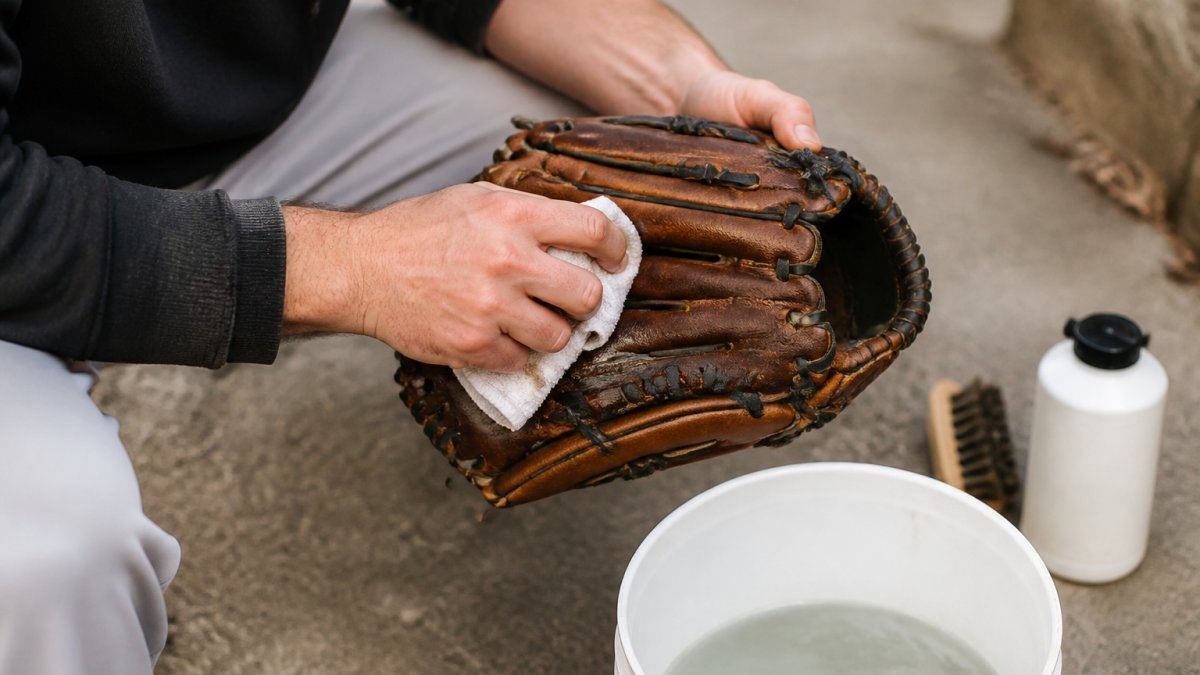
Baseball glove maintenance keeps the leather supple and extends the lifespan of your equipment significantly. Dirt, sweat, and moisture accumulate during games and practice, breaking down the leather if left uncleaned.
Start with a damp cloth, not soaking wet. Wipe down the exterior leather after every few uses. Focus on the palm area and finger sections where sweat buildup is heaviest. Use cool water, never hot.
Let the glove air dry completely in a well-ventilated space. Never place it near direct heat sources like radiators or in sunlight for extended periods. Rapid drying causes leather to crack and shrink. A shaded area with air circulation is ideal.
Conditioning your glove every few weeks maintains leather flexibility. A quality glove oil or leather conditioner prevents the material from becoming brittle. Apply sparingly, too much conditioner makes the glove heavy and slick.
For the c-flap and webbing, use the same damp cloth method but with even gentler pressure. These areas experience less direct contact but still need regular attention. If your glove develops an odor, hand sanitizer or specialized sports equipment sanitization spray addresses this without damaging the leather.
3. Air Out Damp Equipment After Every Game
Moisture is the enemy of baseball gear longevity. Sweat, rain, and humidity create conditions where materials deteriorate and odors develop. After every game or practice session, your equipment needs active air circulation.
Remove all items from your equipment bag immediately. Spread helmets, gloves, batting gloves, sliding shorts, and protective gear across a clean surface in a dry location. Open windows if weather permits. A fan directed at your gear accelerates the drying process significantly compared to passive air drying.
Pay special attention to items that absorb the most moisture: batting gloves, sliding shorts, and the interior of your glove. Moisture-wicking materials dry faster than cotton, but they still need proper ventilation. Never leave damp gear bundled in your bag overnight. This creates an environment where bacteria thrive and odors become permanent.
For helmets, ensure the interior padding has adequate airflow. Some players prop helmets upside down on a shelf to allow air circulation inside and out. Check the chin strap and any padding for moisture. If your helmet has removable padding, take it out to dry separately.
This simple maintenance step prevents the need for expensive replacements and keeps your protective gear performing reliably.
4. Cold Weather Baseball Bat Care and Storage
Cold weather baseball bat care requires attention to storage temperature and protection from moisture. Composite and alloy bats are engineered for specific temperature ranges. Extended exposure to freezing temperatures can cause micro-fractures in composite materials that weaken the barrel over time.
Store bats indoors at room temperature whenever possible. If you're transporting bats to cold-weather tournaments, keep them in your vehicle rather than exposed to the elements between games.
For players in regions with extended cold seasons, a heated bat warmer becomes a practical investment. The HeatStik Apex Hardball Heated Bat Warmer maintains optimal barrel temperature with adjustable settings, ensuring your bat performs consistently regardless of outdoor conditions.

Avoid rapid temperature changes. If you bring a cold bat directly into a warm environment, condensation forms on the barrel. Wipe this moisture away with a dry cloth before use.
Check your bat regularly for visible damage. Small cracks or dents in composite bats can expand in cold weather. If you notice any structural issues, discontinue use immediately. Cold weather amplifies existing weaknesses in bat construction.
Store bats horizontally on a shelf or in a bat rack rather than standing upright. This distributes weight evenly and prevents warping. Keep bats away from temperature fluctuations caused by heating vents, windows, or exterior walls.
5. Inspect Helmets and Protective Gear for Safety
Safety inspection of helmets and protective gear must happen before every season and regularly throughout play. A helmet that looks fine on the outside may have internal damage that compromises protection.
Start with visual inspection. Look for cracks, dents, or splintering in the shell. Check the chin strap for fraying or damage. Examine the interior padding for compression or deterioration.
Test the fit. A properly fitting helmet should sit level on your head with minimal movement when you shake your head. The chin strap should be snug but not restrictive.
Inspect the face mask or cage for bending, rust, or separation from the helmet shell. Any structural compromise to the protective cage reduces its effectiveness. League-approved helmets must meet specific safety standards, and damage can void this certification.
HeatStik Softball Heated Bat Warmer →
Check all fasteners and attachment points. Bolts should be tight, and no parts should rattle or move independently. Loose components can separate during play, creating a safety hazard.
Replace helmets that show significant wear. Most league-approved helmets have a lifespan of 3 to 5 years with regular use. After this period, materials degrade and protective capacity diminishes.
For sliding shorts and other protective gear, check elastic for degradation and padding for compression. Worn-out protective equipment offers less impact protection when you need it most.
6. When to Replace Baseball Gear: Signs It's Time
Knowing when to replace baseball gear prevents equipment failure during critical moments. Some items wear out faster than others, and recognizing the signs prevents injuries and performance issues.
Batting gloves typically last one season of regular use. Once the padding compresses, the grip deteriorates, and the material begins to tear, replacement is necessary. Worn batting gloves reduce bat control and increase the risk of slipping during your swing.
Baseball cleats need replacement when the sole wears smooth or the upper material tears. Molded cleats lose their grip pattern after extended use, making them less effective on grass or dirt. Metal cleats require inspection for broken spikes. A single missing spike compromises your footing and increases injury risk.
Gloves require replacement when the webbing tears significantly, the leather cracks beyond repair, or the pocket becomes permanently misshapen. A glove that no longer closes properly affects your fielding ability and confidence. Leather conditioning can extend glove life, but eventually replacement becomes necessary.
Helmets should be replaced after any significant impact, even if visible damage isn't apparent. Internal foam padding can compress from impact without external cracks showing. A helmet that has been dropped or struck should be replaced immediately.
Protective gear like chest protectors and shin guards degrades when padding compresses or straps break. Once protection is compromised, replacement is the only safe option.
| Gear Item | Typical Lifespan | Replace When | Cost Impact |
|---|---|---|---|
| Batting Gloves | 1 season | Padding compressed, grip lost | Low |
| Cleats | 1-2 seasons | Sole worn smooth, spikes broken | Medium |
| Baseball Glove | 3-5 years | Webbing torn, leather cracked, pocket misshapen | High |
| Helmet | 3-5 years | Impact sustained, foam compressed, fit compromised | High |
| Sliding Shorts | 2-3 seasons | Padding flattened, elastic degraded | Low |
| Protective Gear | 2-4 years | Padding compressed, straps broken | Medium |
7. Organize and Maintain Your Equipment Bag
An organized equipment bag makes maintenance easier and prevents gear damage.
Use separate compartments for different items. Keep helmets in a dedicated section where they won't be crushed. Store gloves flat or slightly curved, never crumpled.
Include a gear checklist in your bag. Before every game, verify that you have your helmet, glove, batting gloves, cleats, protective gear, and any specialized equipment.
Ensure your bag has adequate ventilation. Mesh pockets or vented compartments allow air circulation, preventing moisture buildup.
Keep your equipment bag dry. Store it in a climate-controlled space away from extreme temperatures and humidity. A damp basement or hot garage accelerates gear deterioration.
For the HeatStik Diamond Power Pack, store the power bank in your equipment bag with its protective neoprene carrying case.

Clean your equipment bag periodically. Wipe down interior surfaces to remove dirt and debris. Check for any moisture or odors developing inside.
Proper baseball gear maintenance is the difference between equipment that performs reliably for years and gear that fails when you need it most.
Cold weather presents unique challenges for bat performance. A heated bat warmer solves this problem directly by maintaining optimal barrel temperature throughout games and tournaments.
VIEW OUR HEATSTIK ASSORTMENT and step into the batter's box with confidence, regardless of temperature.
Frequently Asked Questions
Can cold weather affect the performance of composite baseball bats?
Yes. Cold temperatures reduce bat performance significantly. Composite bat barrels become less responsive in cold, leading to reduced exit velocity and a smaller sweet spot. The resin in composite materials stiffens in low temperatures, making the bat feel dead at the plate. Keeping your bat warm between innings, using a heated bat warmer like the HeatStik Heated Bat Warmer, maintains optimal barrel performance and consistency throughout cold-weather games.
What is the best way to break in and maintain a leather baseball glove?
Break in a leather glove by playing catch regularly and applying glove oil or leather conditioner to the pocket and palm areas. Wipe the glove with a damp cloth after each use to remove dirt and grime. Store it in a cool, dry place with a baseball inside the pocket to maintain its shape. Condition the leather every few months during the season to prevent cracking and extend its lifespan. Avoid leaving it in direct sunlight or extreme heat.
How should I store my baseball bat during the off-season?
Store your bat horizontally in a cool, dry location away from direct sunlight and extreme temperature fluctuations. Keep it indoors at room temperature to prevent warping and material degradation. For composite bats, maintain consistent humidity to avoid cracks in the barrel. Store batting gloves, sliding shorts, and other protective gear in your equipment bag in a dry environment. Check your bat periodically for cracks or damage before the next season begins.
How often should I clean my baseball cleats to prevent wear?
Clean your molded cleats after every game or practice session. Remove dirt and grime with a damp cloth and mild soap, then air dry completely before storing. Inspect the sole and studs for damage or excessive wear. Allow cleats to dry naturally away from direct heat sources. Regular cleaning extends their lifespan and prevents bacterial growth and odor. Replace cleats when the studs wear down significantly or the sole shows cracks, as they affect traction and performance on the field.
What are the signs that a baseball helmet needs to be replaced?
Replace your helmet if it has visible cracks, dents, or damage to the shell or facemask. If the interior padding is compressed or deteriorated, it won't provide adequate protection. Helmets should also be replaced after any significant impact or collision, even if damage isn't obvious. Check that the helmet fits snugly and meets league-approved safety standards. Most helmets last 3-5 years with regular use; replace older helmets even if they appear intact, as materials degrade over time.